online safety
-
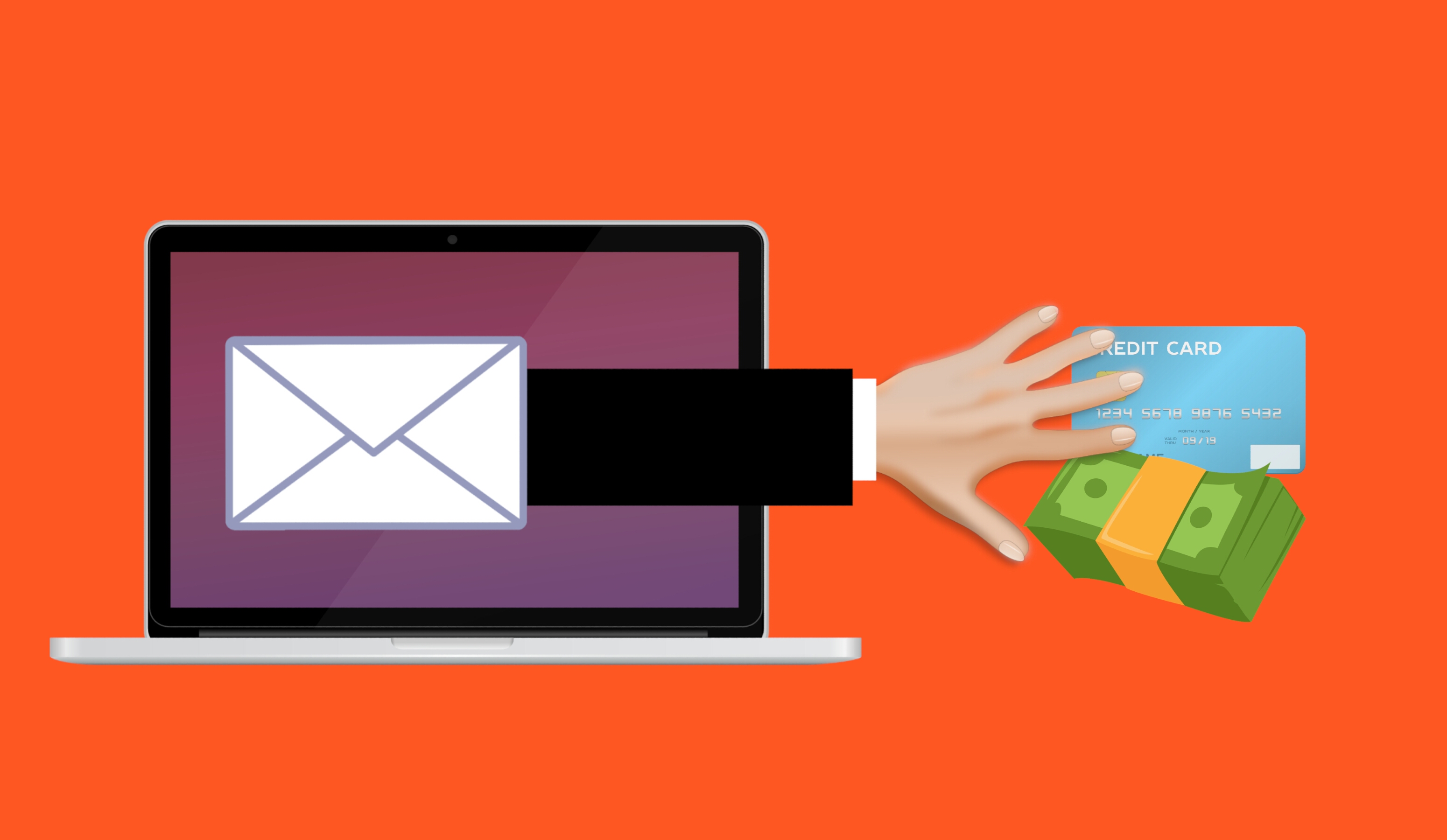
A Google Security Alert Landed in Your Inbox. Google Didn’t Send It.
A warning from Google about your account is one of the few emails most people open without a second thought. This month, real inboxes received one of those warnings, and Google had not sent it.
-
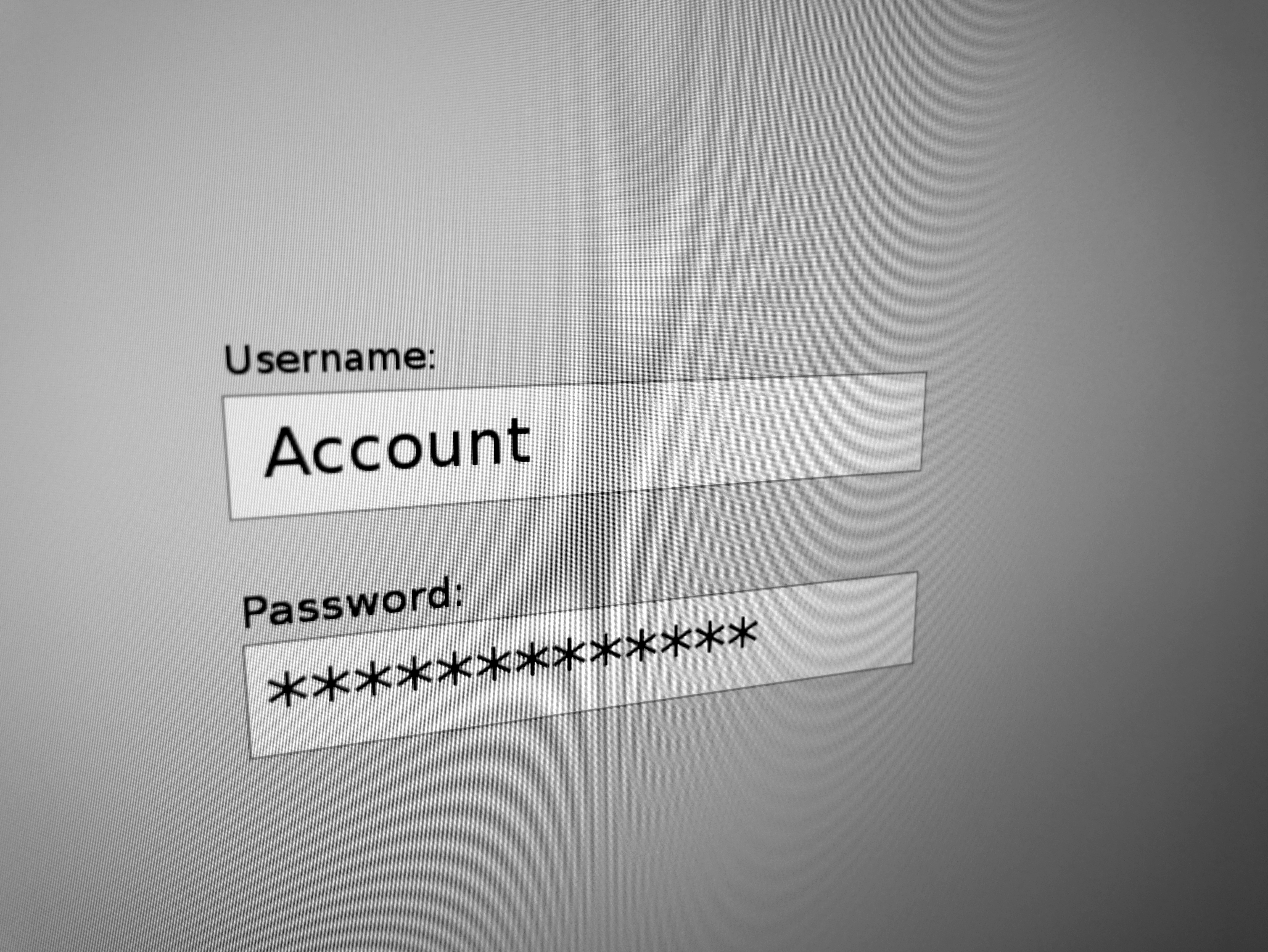
You Signed In to a Drawing. It Wasn’t Google.
Scammers built fake AI advertising tools that draw a Google sign-in window inside the page, then take your password — and the code from your phone. Here is the one test that tells a real window from a drawing.
-

Denmark Kept a File on Everyone. Someone Went Through 8.8 Million of Them.
Denmark’s register of residents was searched without permission for the details of 8.8 million people. Here is what that means for you — and the habits that still protect you.
-
You Opened the Recruiter’s Code Test. It Was Malware.
A recruiter sent a file to review instead of a link. Inside was a script that copied saved passwords out of the browser and sent them to a server abroad.
-
You Let an AI Answer Your Messages. A Stranger Came to the Door.
Meta’s AI assistant answered a man’s Marketplace messages, agreed a price and sent a buyer to his home while he was out. What “Allow always” really gives away.
-

The Support Number in Your AI Answer May Belong to a Scammer
Criminals are planting fake customer service numbers so that AI answers on Google, ChatGPT and Gemini repeat them. Here is how to reach a real company instead.
-

The Malware That Learns Your PIN by Watching Your Fingers
A new Android malware called RatHat can take control of a phone, steal bank logins and work out your PIN from where your fingers touch the glass. Here is how it gets in, and how to keep it out.
-

Your Smart TV Is Watching and Listening — What the LG Findings Mean for You
Researchers say LG smart TVs logged voices from the room and scanned home networks. LG denies it. What the claims mean for your home, and the settings that limit the tracking.
-

Fake Videos of Real People: What the Facebook Deepfake Ruling Means for You
AI can now make a video of anyone saying anything. This week Facebook was ordered to remove two fake videos of real women — one of them not famous at all. Here is what deepfakes mean for you, and what you can do about them.