
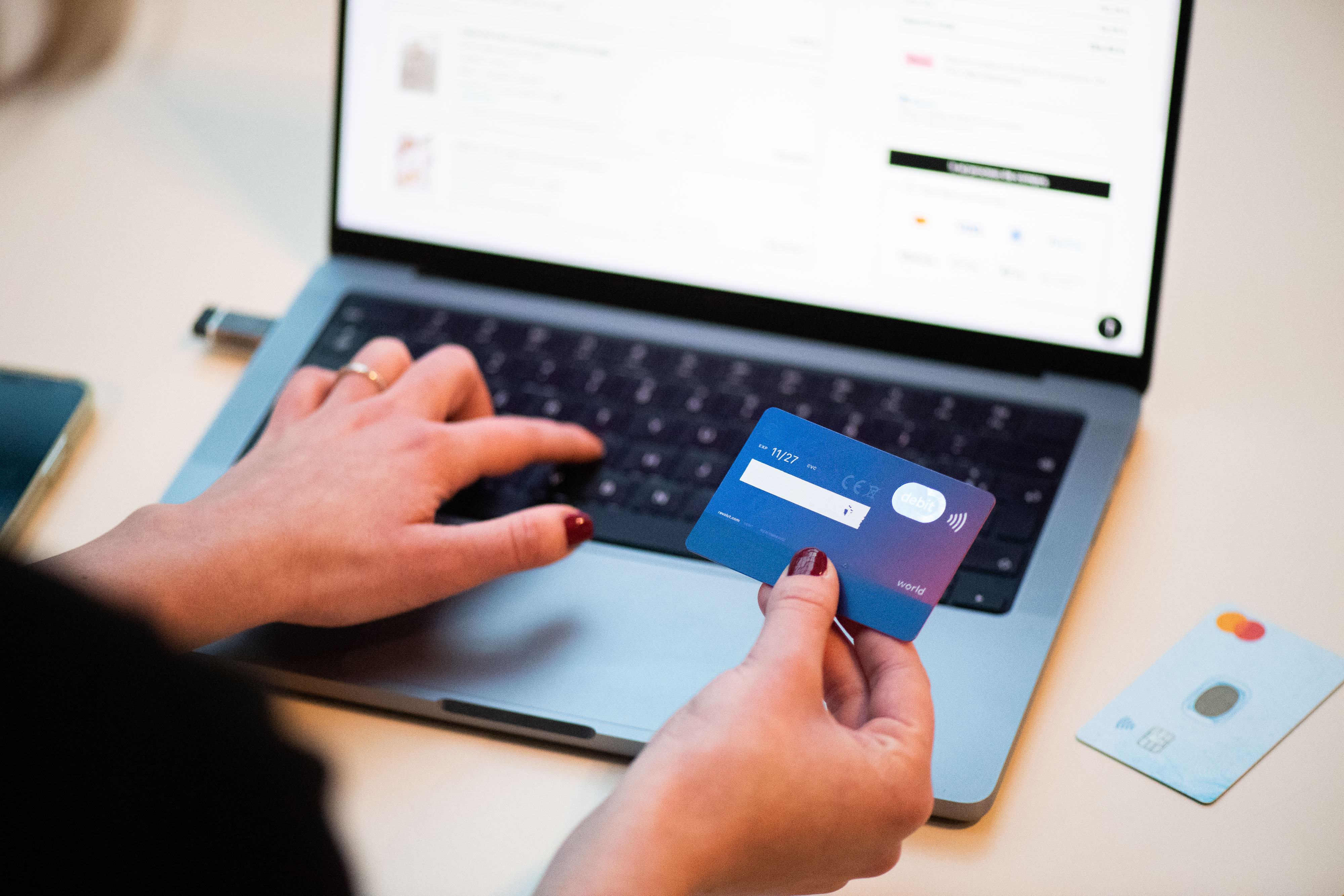
On 27 November the sales start, and with them a few hundred shops that will not exist in December. Most people believe they would notice one. The numbers say almost nobody checks.
What a Bank Found When It Asked
Barclays, a British bank, asked 2,000 adults in October how they shop when prices are cut. Three in four said they believe artificial intelligence has made scams more convincing. Only one in three said they check whether a website is genuine before they pay. About one in seven checks nothing at all.
Read those answers together and the gap is the story. People are not ignorant of the danger; they say it plainly. Then a countdown timer appears, the price is a third of what anyone else charges, and the checking stops.
Only one in ten was confident of getting through the sales untouched.
Why This Year Is Different
A convincing copy of a real shop used to be work: the logo, the product photographs, the wording of the returns page, all of it right enough that a shopper would not look twice. That took days. With AI it takes minutes and costs nothing, so the copies arrive by the thousand in your feed.
Asked what AI had made hardest to tell apart, shoppers named fake reviews and fake shops, at 44 and 43 per cent. Only a third were confident they could recognise an AI-made scam, down from 36 per cent a year earlier. The thing you are asked to spot was built to look like the thing you trust.
Who Gets Caught Is Not Who You Expect
Younger shoppers were the most confident and the most often caught. Over half of them, 54 per cent, said they would recognise a scam. They were still more than twice as likely as the average adult to lose money in a Black Friday or Cyber Monday purchase: 7 per cent against 3.
The bank’s claims data says the same from the other side. Among younger customers the value of purchase-scam claims rose 56 per cent in the first half of this year, against 14 per cent across all customers.
That is not carelessness. Nearly half of younger shoppers feel pressure to buy a sale item quickly, against 27 per cent of all adults. Half rely on reviews they read on social media, and three in ten bought something through a social shopping feature this year. That is where the fake shops are placed.
What It Costs You
The money is the first loss and usually the smaller one. The bigger one is what you typed into the page: your name, your address, your card number, sometimes your date of birth. Weeks later a text arrives about a parcel held at a depot, with a small fee to release it, using your real name and your real order.
One detail decides whether you get your money back: how you paid. A card payment can be disputed and reversed. A transfer to an account number sent in a chat is money handed over, and the bank at the other end is often abroad.
The Thirty Seconds Before You Pay
- Stop at the countdown. A timer exists to remove your thinking time. Close the page and come back in an hour. A real shop will still be there.
- Open the shop yourself. Type the address, or use the app you already have. If you found the deal in an advert, a message or a feed, do not follow the link.
- Read the address bar letter by letter. The trick is usually one letter, an extra hyphen, or a different ending. Say the name out loud as you read it.
- Look for the business behind the shop. Shops selling in Germany must show a company name and a postal address. No address, no returns page, only a contact form means nobody is there.
- Pay by card, not by transfer, and never to an account number sent in a chat, however official the story sounds.
- Check the delivery date before you pay. “Ships in four to six weeks” from a shop that opened last month uses up the time you have to dispute the payment.
- If you have already paid, call your bank today. Not tomorrow. And ignore any “refund” message asking you to log in. That is the second half of the same scam.
Three Things People Get Wrong
Myth: I would spot a fake shop
What gives a fake shop away is rarely how it looks. It is the address you did not read and the payment you made without thinking.
Myth: This happens to people who are bad with phones
The group that lost most in this survey grew up with these apps and trusts its own judgement about them. Knowing a phone well is not the same as having the habit of checking.
Myth: The reviews were real, so the shop is real
Reviews are the cheapest part of a fake shop to produce. Thousands of them, in your language, can be written in an afternoon. Five stars say nothing about whether anything will arrive.
What to Watch For in the Next Two Weeks
Countdown clocks and “only three left” on a page you have never bought from. Adverts in your feed that look exactly like a brand you know, at a discount that brand offers nowhere else. A price a third of the next cheapest seller is not a bargain; it is the bait.
After you buy from a real shop, expect the other message: a delivery notice asking for a small fee, arriving in the week your parcel is due. Couriers do not ask to be paid through a link.
The One Thing to Remember
The scam is rarely a clever fake. It is a hurry. If a deal needs your answer in the next thirty seconds, those seconds are the thing being sold to you. Come back tomorrow and pay with a card.
Image credits: Bogdan Hoyaux / European Commission, CC BY 4.0, via Wikimedia Commons.