
Last Friday night in Berlin, people who had paid for their tickets were stopped at the door of a sold-out concert and sent home. Their tickets were fake, and nobody could tell until the moment they tried to walk in.
What happened at the door
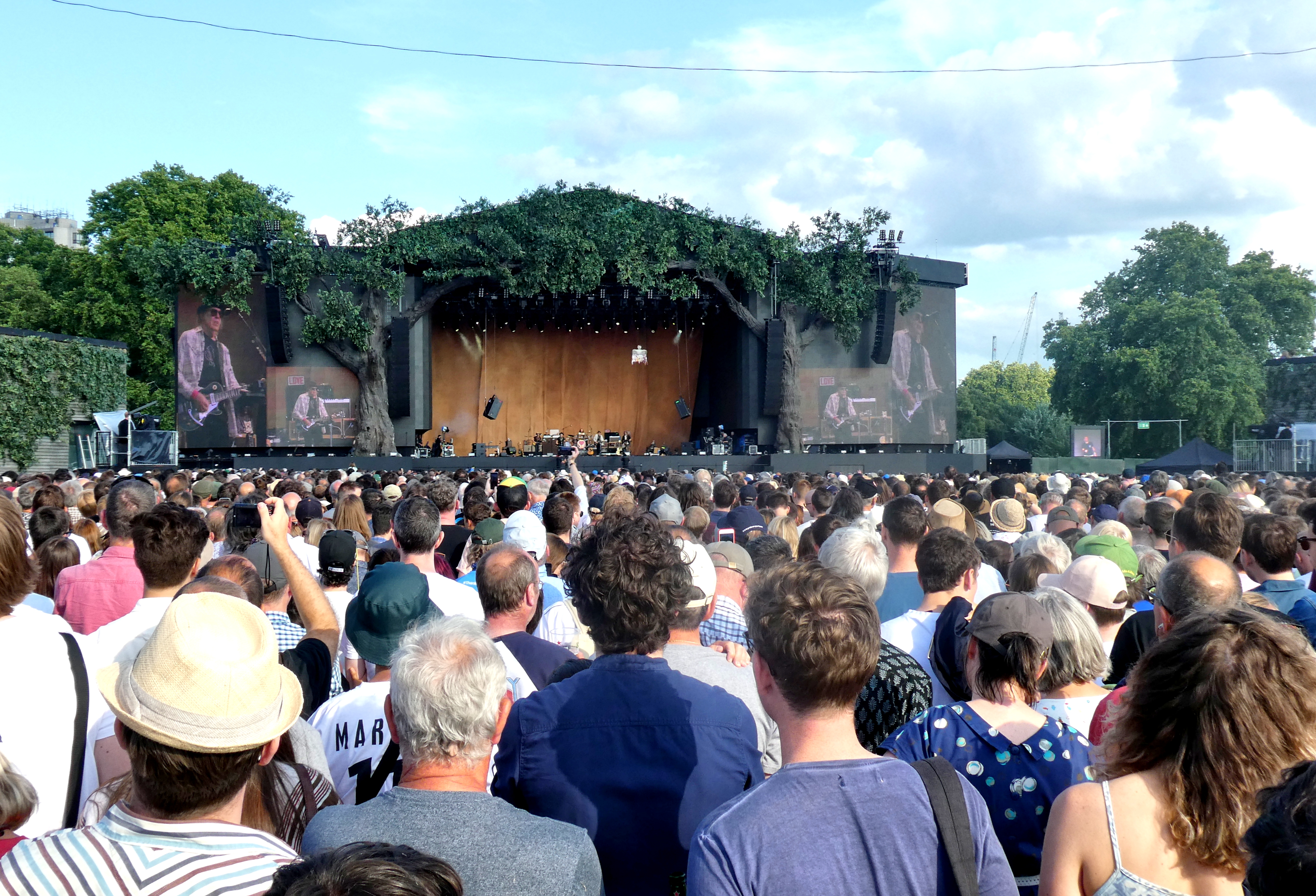
On Friday 2 October, Bryan Adams played the Uber Arena in Berlin, and the hall was full. Some of the people waiting to get in learned only at the entrance that the tickets sitting in their email inbox were not valid. They were turned away.
Police officers took statements from those affected at the venue itself. How many people lost their evening this way is still unclear. At the arena there was talk of a larger group, possibly several hundred tickets, but there is no official figure yet.
How the fake tickets reached their buyers
For one couple from Templin in Brandenburg, it started with a single post on Facebook. They followed the link in it and bought two tickets. They paid by card, and the tickets landed in their inbox a short time later. Nothing about the process felt odd: a smart-looking page, a quick checkout, a confirmation email.
At the arena they were told the tickets were fake. To see the concert at all, they bought new ones at the box office, this time through Eventim, and paid 190 euros for the two. On top of that, they may never see the money for the first pair again.
Why this can happen to anyone
A ticket is not really a thing you hold in your hand. It is a piece of information: a number, a barcode, a code inside an app. Copies of information cost nothing to make, so a fake ticket can look exactly like a real one. The only place that knows whether the code actually exists is the organiser’s scanner at the door, and by the time it says no, you are already outside.
The people behind these pages copy the colours, the wording and the logos of a real ticket shop, sometimes even its photographs, so that almost nothing gives them away. Their sites are cheap to run, easy to abandon, and usually operated from abroad. That is why the money is normally gone for good, and why the damage often goes past the ticket price: many fans have already paid for a train, a hotel or a day off work.
What you can do before you pay
- Buy from the seller whose name the venue or the artist gives on its own website, and type that address yourself instead of following a link from a post, an advert or a message.
- Read the web address, not the design. A copied page can look perfect. The address bar is the one thing it cannot fake, so check it before you type in your card details.
- If the official sale is over, use the organiser’s own resale. Eventim runs fanSALE, where tickets come out of real Eventim accounts and the barcodes can be checked. An unknown ticket exchange that simply passes private sellers on to you is a different thing.
- Pay by credit card rather than by bank transfer. With a card you can ask your bank to reverse the payment if the ticket turns out to be worthless. A transfer cannot be pulled back.
- Treat “personalised” tickets with care. They are valid only for the person whose name is printed on them, which makes them worthless in your hands.
- Slow down when you feel rushed. A countdown, an “only four left” message, or a price far above the printed one are all reasons to close the page.
- If you are turned away, ask the box office to confirm the refusal in writing, keep the ticket and the emails, and report it to the police.
Common misunderstandings
Myth: it arrived straight away, so it must be real
Anyone can send an email that looks like a confirmation, with an attachment that looks like a ticket. Arriving quickly and looking tidy proves nothing at all.
Myth: a professional website must be the official one
The copied pages are built to look better than the real thing. That is the whole trick. Reach the seller from the venue’s own page, not from a search result or an advert.
Myth: if I pay by card, the bank always pays me back
Asking your bank to reverse the payment is worth doing. But the bank decides, and it will want proof, so keep the ticket and the note from the box office.
Myth: a ticket from another fan beats no ticket at all
This is where most people lose money. In Germany, a court ruled in March 2025 that buyers who purchase on a resale platform can generally cancel within 14 days, and that a seller may not keep money for a ticket that was never valid. That helps, but only if you can reach the seller. Buying from a stranger abroad is still a gamble.
What to watch for next
Autumn and winter are the busiest weeks of the year for concert and football tickets, and fake offers follow the shows that sell out. At the same time, more organisers now issue tickets that live only inside their own app. Ticketmaster’s own help pages say plainly that a screenshot will not get you in. Good news for real fans, bad news for anyone holding a copy of someone else’s ticket.
The one thing to remember
A ticket is worth something only if the person who sold it was allowed to sell it. Buy from the seller the venue itself names, or from that organiser’s official resale, and never from a link that arrived in your feed.
Image credit: “Neil Young long view” by Brian Minkoff-Londonpixels, licensed CC BY-SA 4.0, via Wikimedia Commons.