
German authorities have just switched off 9,304 phone numbers that criminals were using to reach ordinary people and talk them out of their savings. The calls have not stopped, so it is worth knowing exactly what the friendly voice on the other end wants, and the one check that defeats most of it.
What actually happened
On 25 September 2026, the public prosecutor’s office in Karlsruhe, the state criminal police of Baden-Württemberg, the financial regulator BaFin and the telecom regulator Bundesnetzagentur announced a joint operation, with the federal police and their Austrian colleagues.
Over the previous three months they found and disconnected 9,304 German phone numbers that had been used to commit fraud. Since the operation began, 13,888 numbers have been switched off: 13,397 in Germany and 491 in Austria.
The crime behind those numbers has a name: cyber-trading fraud. Someone contacts you, by phone or through WhatsApp or another messenger, and steers you to a website that looks like a serious trading platform, where you can supposedly invest money and watch it grow. The platform is fake, and so are the profits on the screen, made by the criminals’ own software.
How an ordinary person ends up paying
The person is polite, patient and sounds like they understand money. The website has real-looking charts, friendly reviews and a legal notice. You start small, a few hundred euros, and within days the screen shows a profit. That first win is the whole point: it buys your trust and makes the next, larger payment feel like your own decision.
The trap closes when you want money out. Now there is a tax to pay first, or a fee, or an insurance the platform insists on. Sometimes a money-laundering investigation has to be cleared, for a price. Every payment from that point goes to the criminals. Then the contact stops, the website disappears, and nobody answers.
Why this matters to you
These platforms do not only catch people chasing quick money. They catch people who answer the phone and assume a polished website must be real. What is usually at stake is savings, not spare cash.
On 23 September, BaFin said it had found almost forty nearly identical websites sold as an “AI-powered crypto trading platform”. None had a valid legal notice, and the details people typed in were passed on to trading platforms that Germany does not supervise. The sites are convincing on purpose.
What you can actually do
- Treat the number on your screen as decoration. Germany’s telecom regulator says a displayed number can be a real number whose owner has nothing to do with the call, or a number that belongs to nobody. If you want to call a company back, find the number yourself.
- Before you pay anything in, search the provider in BaFin’s company database. Companies offering investments in Germany need a licence; if yours is not listed, treat the offer as if it does not exist.
- Look for the legal notice, the page German websites must carry, naming the company, its address and how to reach it. The sites BaFin warned about had none.
- Never install a program that lets a caller control your computer, however helpful the offer sounds. Police describe exactly this move: the supposed broker offers to set things up for you and takes over the machine.
- Never send money to a private account with no visible connection to the company you think you are dealing with, and never send photos of your ID card or bank card.
- If money is already gone, report it to the police, at any station or through your state’s online police station. And do not pay anyone who promises to get it back: consumer advisers never contact you first, and recovery offers often come from the same criminals.
Four things people get wrong
Myth: a German number means a German company
It does not. The Bundesnetzagentur explains that a manipulated call can show a genuine existing number, including a foreign one, whose owner has nothing to do with it, or an invented number that belongs to no one. BaFin adds that numbers are rented to criminal networks in bulk, used for a few days and then dropped.
Myth: they paid out my first profit, so the platform is real
The first small payout is bait, not proof. Police say the software shows invented transactions and invented gains, and that criminals sometimes pay a small amount out early because it makes the next transfer feel safe.
Myth: a real company would not ask for a fee before paying out
That demand is the scam’s final step, not a sign that something went wrong. Police describe the pattern: once you ask for your money, taxes, fees or insurance appear, and sometimes a made-up money-laundering accusation. Anything you pay after that is lost.
Myth: the numbers are off, so the problem is over
The numbers were switched off; the people behind them were not caught. The prosecutor’s office says the suspects are still unknown and the operation will continue. The shutdown removes tools, not the con.
What to watch for next
Expect the same offers, from new numbers, within weeks. BaFin is publishing warnings almost daily, and several in the last week of September concerned investment and crypto websites with no German licence. If a suspicious call shows a number, you can report it to the Bundesnetzagentur; the fraud itself belongs with the police.
The one thing to remember
The number on your screen is not proof of who is calling, and a friendly manner is not proof of a real company. Put the phone down, look the company up yourself, and never send money on the strength of a call.
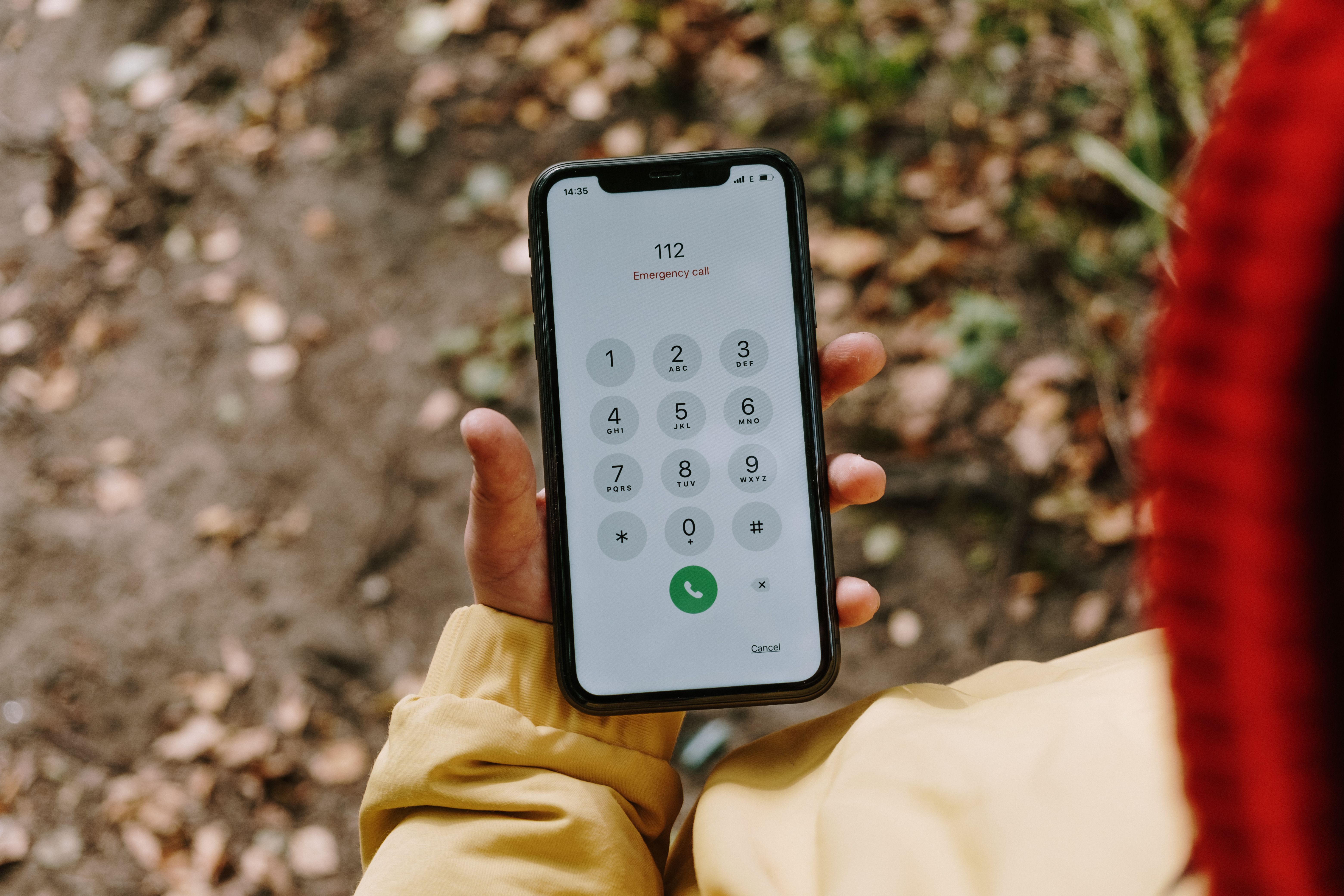
Image credits: the photograph above is by cottonbro studio, published on Pexels under the Pexels License, free to use and attribution not required.