
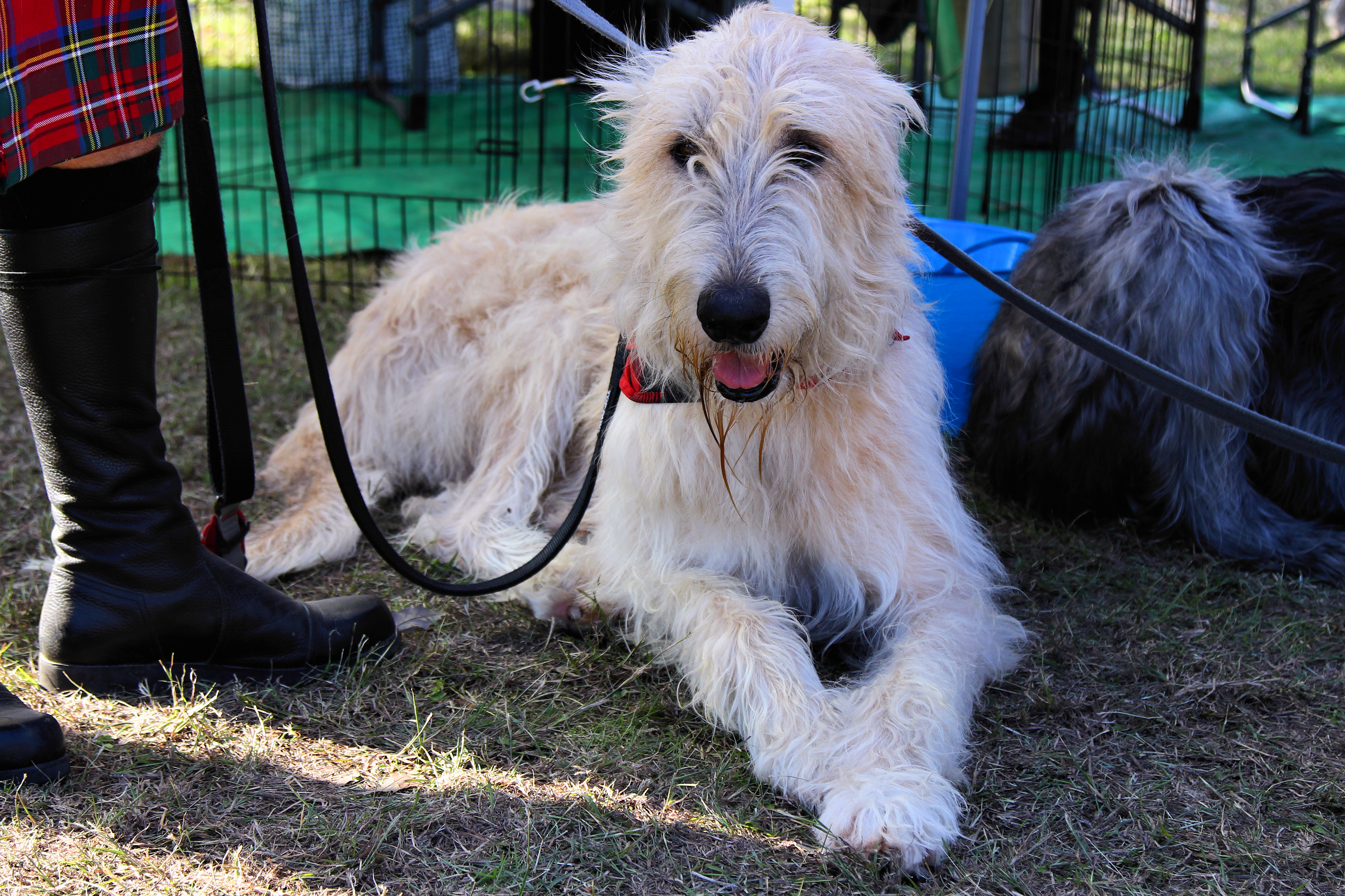
A man in Australia offered 10,000 dollars for the return of his lost dog. Within days a stranger sent him a photograph of the animal sitting in a crate. That photograph was never taken.
What actually happened
Westyn Ruyter’s Irish wolfhound, Bundy, went missing near Balingup, a small town about 240 kilometres south of Perth in Western Australia. He was heartbroken, and he posted a reward on Facebook for anyone who brought the dog home.
Messages arrived quickly. A stranger said they had found Bundy and would hand him over at a general store in town. “It gave me so much hope. I was that excited,” Mr Ruyter told the ABC.
He went to the meeting place. Nobody arrived with a dog. When he asked for proof, a photo came back: his dog, inside a crate.
It was not a photograph of his dog at all. It was the picture he had posted himself, placed into a crate by an AI image tool — software that builds a new picture out of an ordinary photo and a written instruction. “The dog bowl looks so fake, the cage is blurred out in front of his face,” he said. After that, the messages stopped.
Why this matters to you
Australia’s consumer regulator, the ACCC, says it knows that people searching for missing pets are being targeted, and that fake images are used to demand money, gift cards or cryptocurrency “in exchange for the pet’s return”.
Notice what the scammer needed: a photo you published yourself, the breed of your dog, the name of your town and the size of the reward. All of it came from your own post. “Scammers exploit situations that are urgent or emotionally distressing,” an ACCC spokesperson said.
This is not only about pets. The same opening exists whenever you post “lost, reward offered” — a phone, a passport, a wedding ring, a suitcase. You are telling a stranger, in public, that you are in a hurry and that money is waiting.
What you can actually do
- Never send money, a gift card or cryptocurrency before the animal is in the room with you. Not a deposit, not a vet bill, not a “release fee”.
- Ask for a live video call instead of a photo. A picture can be made in a minute. A dog that turns when you say its name is much harder to fake.
- Ask for one detail you never posted. What colour is the collar? Which ear has the notch? A real finder can answer without thinking.
- Meet at a vet practice or an animal shelter, never in a car park or a shop. A vet can scan the microchip in front of you, and a microchip number cannot be generated.
- Leave the exact sum out of the post. Write “reward offered” and talk about money only once you are face to face.
- Keep the private details out of the post: house number, your walk route and times, your children’s school, the name of your vet.
- Report it even when you lost nothing. Reports to the police and to your country’s scam reporting service are what get these accounts closed.
Common misunderstandings
Myth: a photo is proof
Until a few years ago, a picture of your own dog in a stranger’s hands was close to proof. Today it takes one ordinary photo and a sentence typed into a free tool. Look instead at what nobody would bother to fake: the shadows, the bowl, the background, the shape of the ears.
Myth: I would have noticed
Mr Ruyter did notice — after he had already spent hours hoping, and after he had driven out to meet a stranger. Careful people fall for this in the worst week of their year. That is the moment the message is written for.
Myth: if I pay, I get the dog back
Paying ends the conversation. It does not start a handover. Money sent this way rarely comes back, and the account disappears once it is paid. In this case the messages stopped the moment proof was demanded, and nothing was lost but hope.
What to watch for next
The ACCC has published guidance on how scammers use AI: cloned voices built from a few seconds of video, messages written for one person, and faked images. Professor Paul Haskell-Dowland of Edith Cowan University says scammers hunt community groups for the details that make those messages convincing. “No longer are the scams seemingly irrelevant to us — they now have genuine feelings of authenticity,” he said.
Expect the same pattern around missing bicycles, lost luggage, rental deposits and second-hand sales. When a stranger already knows your dog’s name, your town and your reward, ask yourself how they knew.
The one thing to remember
No photograph proves that someone has your pet. A microchip scan at a vet does.
Everything else — the crate, the bowl, the sadness in the message — can be made by a machine in under a minute.
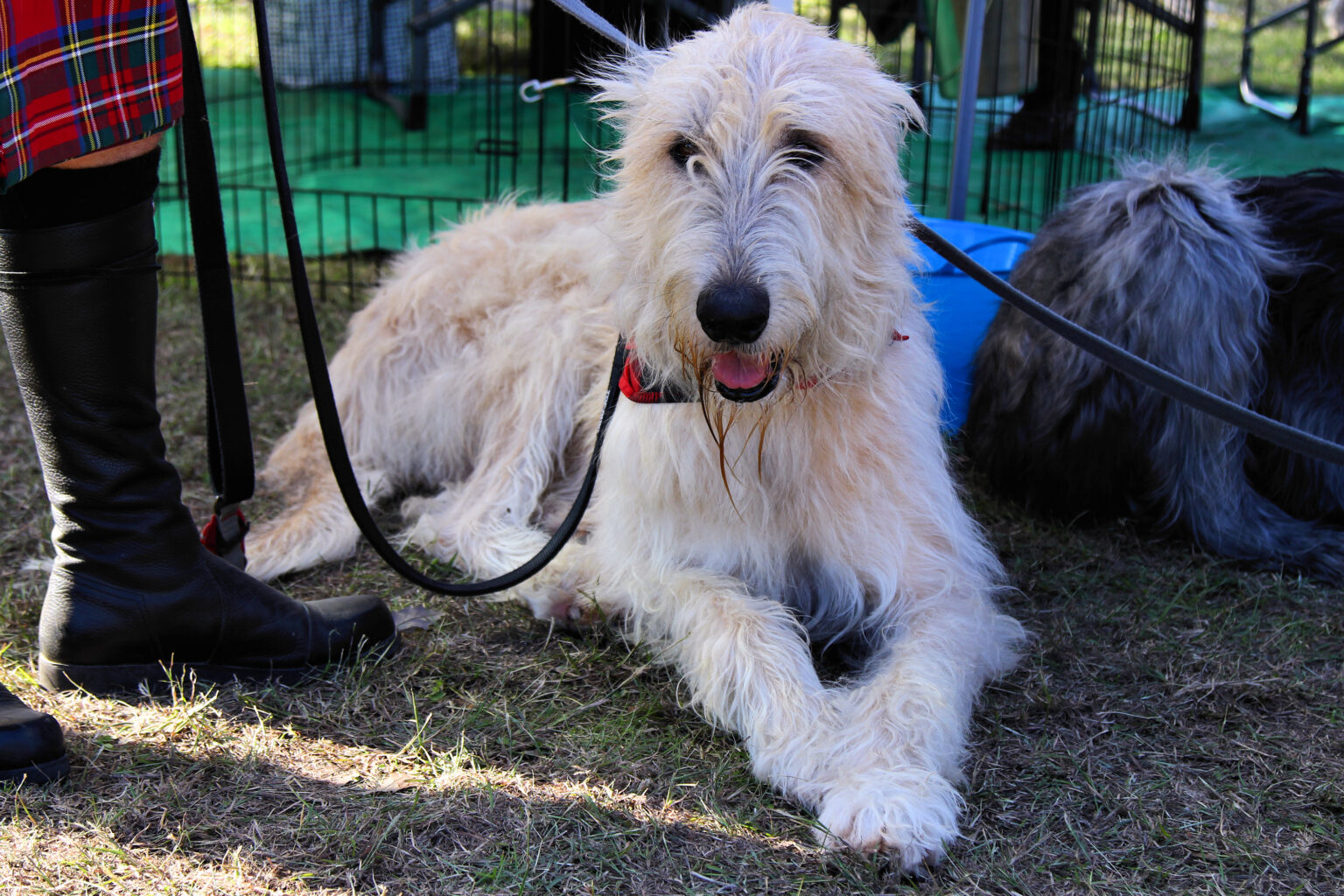
Image: “Irish Wolfhound Austin Celtic Festival Texas 2023” by Larry D. Moore, Wikimedia Commons, licensed under CC BY 4.0.