
You compare the prices, you read the reviews, and the box arrives sealed in plastic. Investigators across Europe now say that for more than a million phones sold online, that sealed box was part of the trick.
What investigators say happened
Police, customs and tax officers searched around 160 places in 19 countries, including Germany and Austria, in an operation led by the European Public Prosecutor’s Office. About 1,770 officers took part. Seven people were arrested in Germany, Austria and Spain, among them two men described as the suspected organisers of the group.
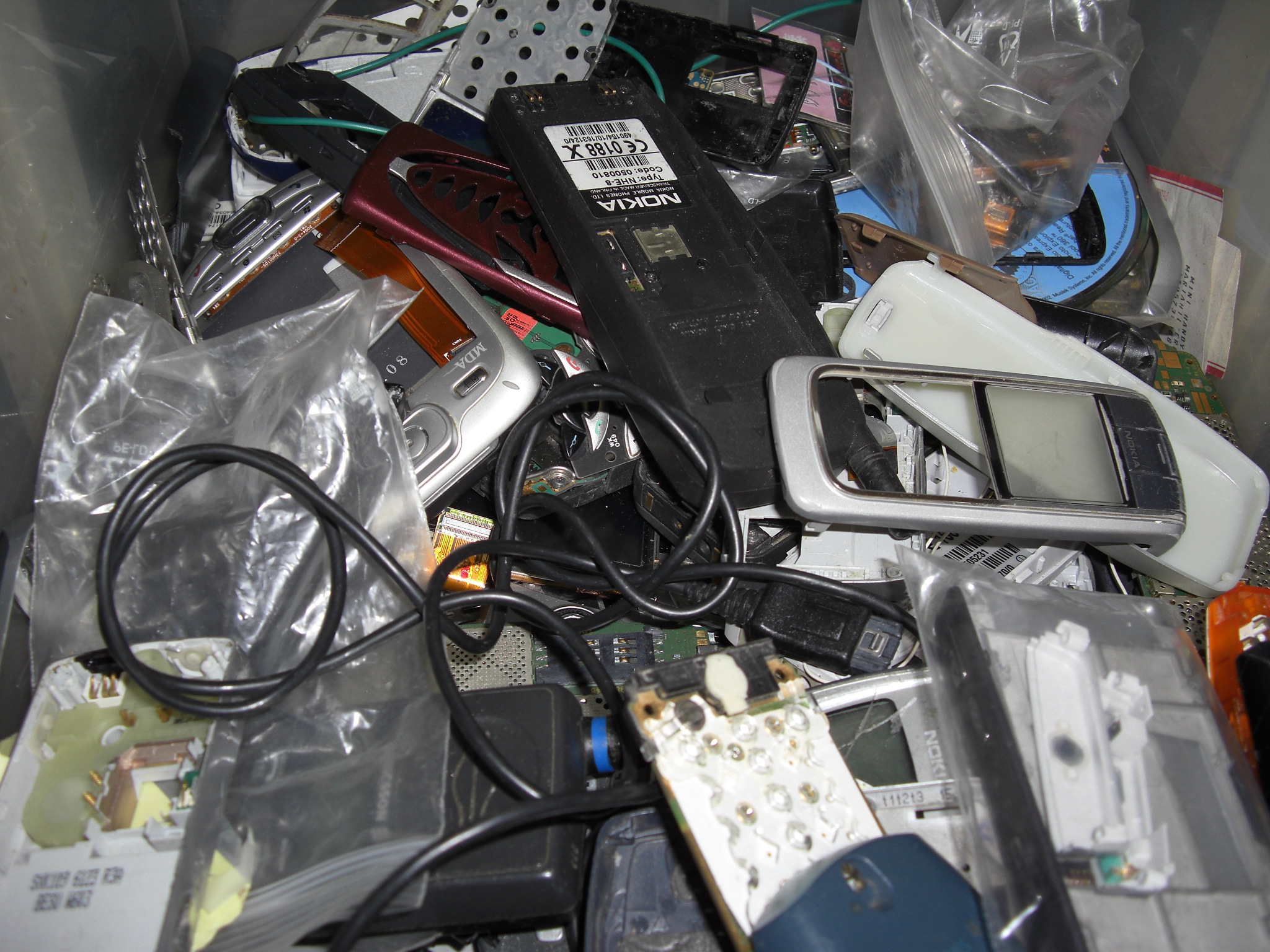
According to the prosecutors, the phones were assembled from used components in Hong Kong and the United Arab Emirates. The devices were then cleaned, packed in boxes made to look like the originals and shipped to the Netherlands, before moving on to warehouses in Germany.
During the searches, officers found an estimated 10,000 to 15,000 phones in a warehouse in Krefeld, most of them Samsung models, according to the German news agency dpa. The phones were sold through large online marketplaces to customers across the European Union, most of them in Germany.
Prosecutors estimate that more than a million devices were sold this way since 2018. In one intercepted call, the group reportedly discussed bringing 10,000 to 20,000 phones a month from China and Dubai into Europe. Everyone named in the case is presumed innocent until a court decides otherwise.
Why the boxes looked genuine
The packaging was professionally sealed, and the devices inside were built to pass as factory-made phones. Reports say some buyers noticed something odd: handsets that restarted on their own, or that ran a software version meant for another region.
The price was not an alarm either. These were not the absurdly cheap offers that most shoppers already scroll past, but the plausible kind of discount that looks like a normal deal.
The money behind it
Selling a used phone as used is perfectly legal, and often a sensible way to buy. What the prosecutors describe is the opposite: used goods sold at new prices.
Two tax decisions built the profit. The companies are said to have used the margin scheme, a rule that lets a reseller charge VAT on its profit alone. That rule only applies to goods that genuinely changed hands second-hand and were already taxed once. Because these phones were sold as new, VAT was owed on the full price instead. Investigators put the loss at roughly 30 million euros across several countries, most of it in Germany.
The group is also accused of declaring the shipments as goods for Eastern Europe to avoid import VAT, while most of the phones stayed in Germany. The customer damage is a different sum: the difference between what people paid and what their phone was worth. At least 300 million euros in total, which works out to roughly 300 euros per device.
What this means for your own phone
If you bought a discounted phone from an online marketplace in the past few years, you cannot tell from the outside whether it was one of these. You can check, and you have rights either way.
What you can actually do
- Keep the invoice, the order confirmation and the box. Without a receipt, everything else gets harder.
- Ask the manufacturer or an authorised service centre to check the phone’s serial number against its record. That is how a rebuilt device is identified.
- Write to the seller and ask for a replacement or a repair. German law gives you a two-year guarantee when you buy from a dealer, and in the first year a fault is assumed to have existed already at the time of purchase.
- If the seller does not answer, use the marketplace’s own customer service.
- If you believe you were deliberately deceived, report it to the police. Germany’s customs investigation office in Essen has set up a dedicated contact address for suspected victims of this case.
- The consumer advice centre, the Verbraucherzentrale, examines individual cases for free.
- When you buy, prefer the manufacturer or a retailer you know over an unknown third-party seller on a marketplace.
Common misunderstandings
Myth: refurbished phones are the scam
No. A phone that is clearly offered as refurbished, at a refurbished price, is a normal and legal product, and for many people the smarter buy. The offence here is the label, not the condition of the device.
Myth: a sealed box proves it is new
The seal is exactly what the group is accused of faking, with packaging that looked convincingly like the original. A plastic wrapper tells you that somebody wrapped it, nothing more.
Myth: this is only a tax problem
The tax loss is real, but so is the loss to customers. People paid new prices for phones assembled from old parts, and that is what the prosecutors count as the damage.
What happens next
The investigation continues and the suspects are presumed innocent. European prosecutors have pursued phone traders over VAT before; what makes this case unusual is that the people who lost money are ordinary customers. The German reporting comes from tagesschau, with research by WDR, NDR and Süddeutsche Zeitung, and from the dpa news agency.
The one thing to remember
“New” is a claim on a listing, not something you can see for yourself. Keep the receipt, and if a phone ever behaves strangely, have the manufacturer’s service check where it actually came from.
Image credit: Scrap mobile phones by MikroLogika, via Wikimedia Commons, released under CC BY-SA 3.0 (creativecommons.org/licenses/by-sa/3.0).