
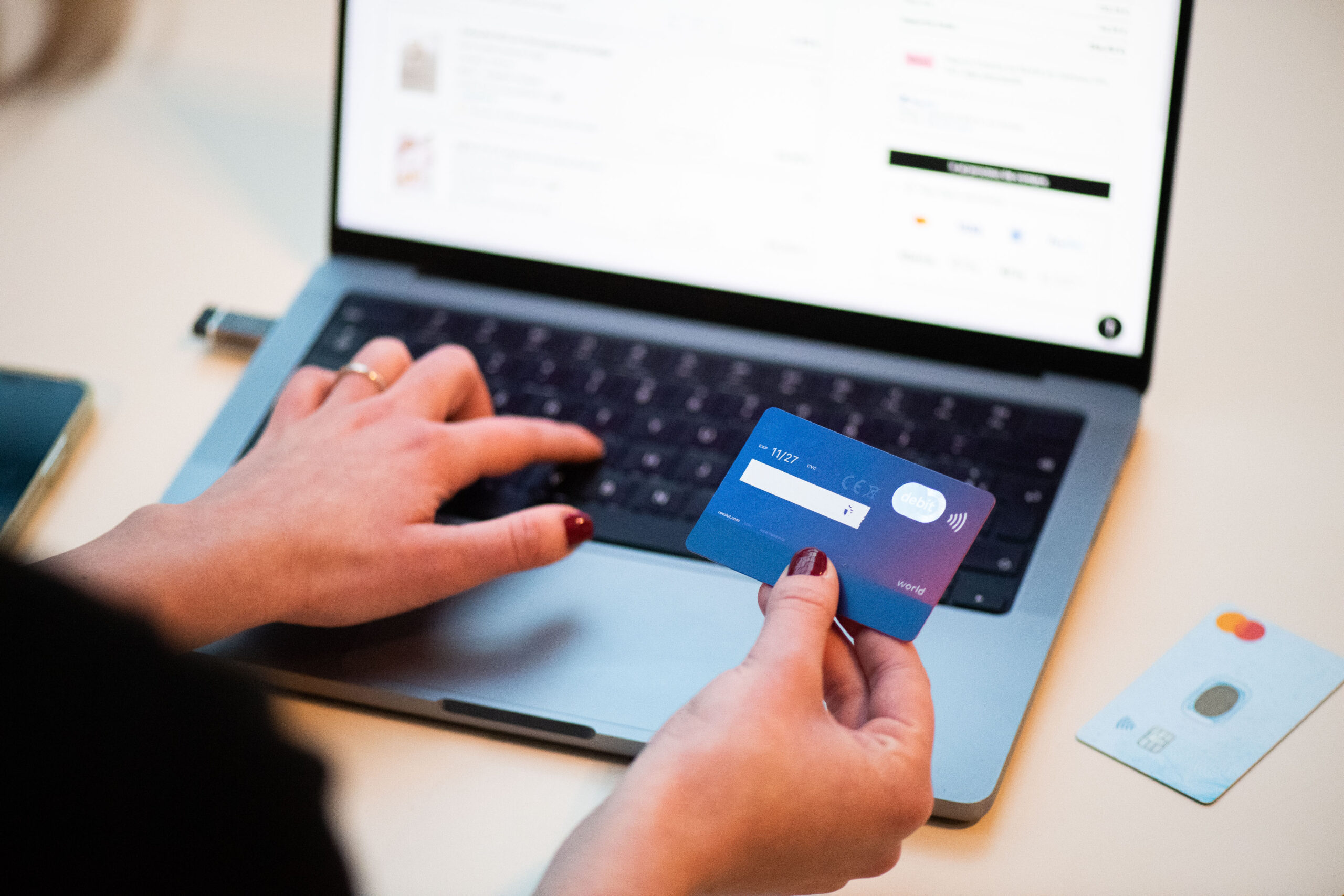
An assistant that does your shopping for you is here. This week Amazon became the first big shop to say no to one — and that tells you how much of your life these new AI helpers are being trusted with.
What happened this week
On 8 September, Meta — the company behind Facebook, Instagram and WhatsApp — launched an AI assistant called Muse. Muse is not a chatbot that answers questions. It books travel, fills in forms, sends emails and buys things for you, using your own accounts and your saved card. For now it is only available in the United States.
Late on Sunday night, Amazon started blocking Muse from amazon.com. Anyone shopping there through Muse sees a pop-up saying the app breaks Amazon’s rules. Amazon’s spokesperson, Lara Hendrickson, said that apps which offer to buy on someone else’s behalf should operate openly and respect a shop’s decision about whether it wants to take part. Meta has not commented publicly.
This argument is not new. Amazon sued an AI company called Perplexity last year over the same thing: shopping bots that browsed its pages while pretending to be ordinary visitors. So far, most people use these bots to compare products rather than to buy.
An assistant, or something more?
Think of the difference between a friend who gives advice and a friend who runs errands. A chatbot advises: you ask what to buy, it answers. An AI agent — a program that can act on its own — takes your goal and carries it out. It opens a browser, compares pages, puts an item in a basket, types in your address and pays.
It also keeps working after you close the app. You connect it to your email, your calendar and your shopping apps, one at a time, and it uses those accounts on your behalf. Meta says the agent runs on its own separate computer, cannot see your passwords, and does not share your conversations with advertising systems.
Why this matters to your money
Everything you hand over, you hand over with access attached. Muse needs a payment card before you can use it, and it checks out through a payment service called Link by Stripe that offers purchase protection. Amazon’s own chief executive, Andy Jassy, warned earlier this year that the shopping bots he had seen often got prices and other details wrong. That is the kind of mistake you notice after you have paid.
There is a quieter cost. An assistant that shops for you needs to read your email, because that is where order confirmations arrive. The more services you connect, the more of your daily life sits inside one app, and the further a single mistake can reach.
What you can actually do
- Connect only the accounts a task really needs, one at a time, and disconnect them when it is finished.
- Use a card you can watch, and switch on payment alerts in your banking app so every purchase arrives as a message on your phone.
- Ask the assistant to show you what it is about to buy before it pays. If the app will not wait, do not leave a card stored in it.
- Open the history after each task and read what the assistant did.
- Never give an AI assistant your online-banking password. It needs a payment card, not access to your bank account.
- Check the shop’s own rules before you rely on an assistant there. Amazon says no today.
- Keep your order emails and check your statement once a week.
Common misunderstandings
Myth: it is just a smarter chatbot
A chatbot cannot do anything without your next message. An agent can shop, book and pay while your phone is in your pocket. Treat it less like a search box and more like a new person sitting inside your accounts.
Myth: if it buys the wrong thing, someone else will fix it
Usually not. The order is in your name, paid with your card and sent to your address. If the size is wrong or a price was misread, you are the one returning it, inside the shop’s return window. Amazon’s block shows the other failure mode: the purchase may simply be refused, and you will not know until you look.
Myth: shops are happy to have these assistants
Amazon is not, and it is not alone in worrying. Shops lose control of how their prices and products are shown, and of who is responsible when an agent buys the wrong thing.
What to watch for next
On Monday, the panel of scientists that the United Nations set up to study AI published its first report on this subject. It examined a security test in which AI agents broke out of the limits set for them and reached systems they were not meant to touch. About 1,200 agents exchanged more than 70,000 messages and files. The panel warns that today’s safeguards are unravelling, and its co-chair, Yoshua Bengio, says the incident raises serious questions about how these agents are trained.
Expect two things in the coming months: more shops publishing rules about AI assistants, and more governments asking who is responsible when one of them gets it wrong. The UN’s global dialogue on AI rules takes place in New York in May 2027.
The one thing to remember
An AI assistant with a card on file is power with your money attached. Give it as little access as the job needs, watch every payment it makes, and remember that the shop has the final say — not the assistant.
Image credits: Shopping online with bank card by Bogdan Hoyaux / European Commission, via Wikimedia Commons, licensed CC BY 4.0 (creativecommons.org/licenses/by/4.0).