
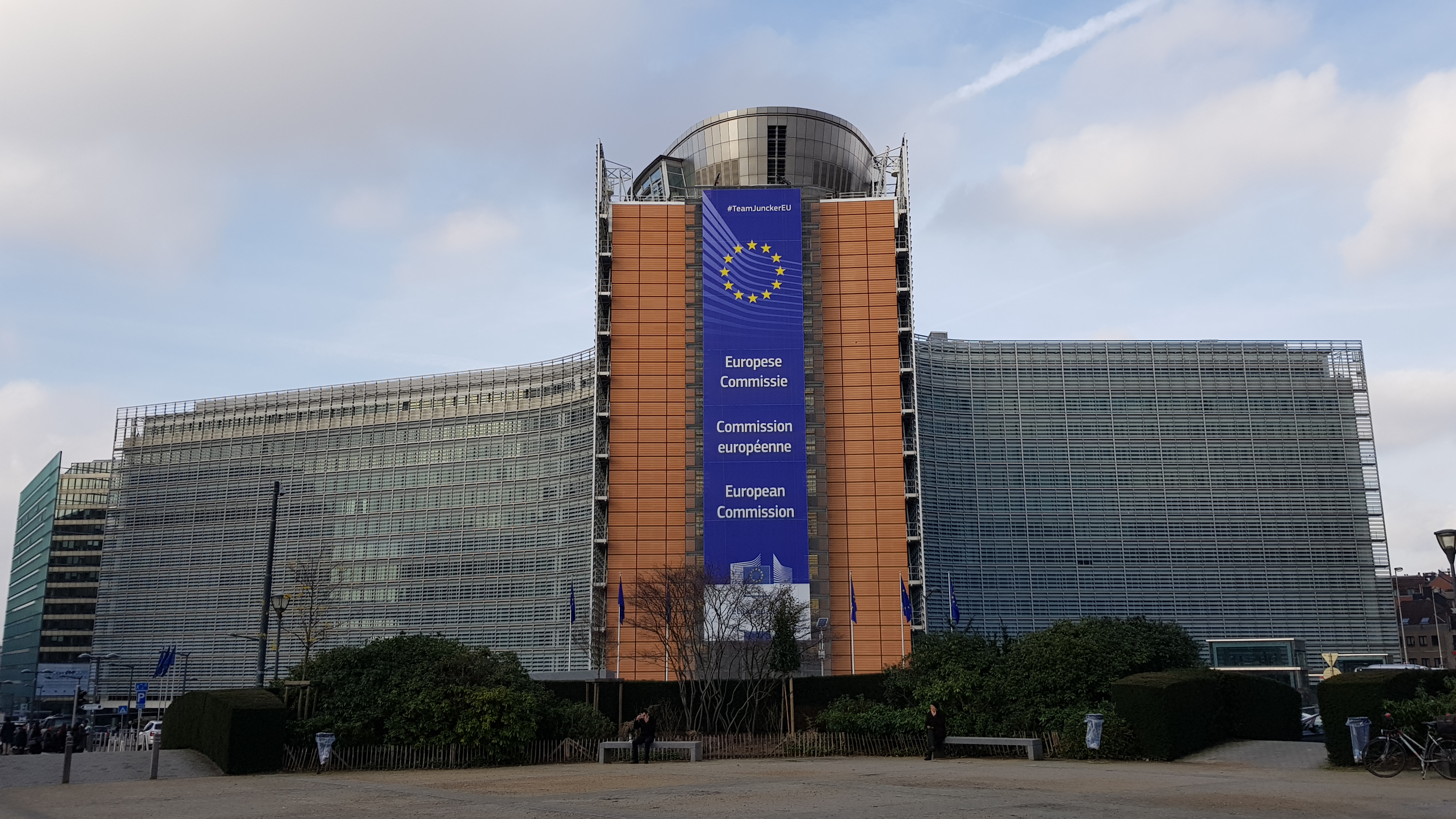
You can join almost anything online with one tap. Leaving is where it gets strange: a hunt through menus, a form that never loads, a chatbot that answers every question except the one you asked. On 11 November the European Commission proposed rules that would make the way out as short as the way in.
What was actually proposed
The proposal is called the Digital Fairness Act. It is a rewrite of the EU’s main consumer rules for the internet, the rules that decide what a shop, an app or a website may do to you. The Commission calls it the biggest change to European consumer law in more than 20 years, and estimates it could save consumers up to €13.7 billion a year.
A second document came with it, on enforcement. Today the Commission cannot fine a company itself; it coordinates national authorities instead. Under the proposal it could investigate and fine large companies directly, up to 6% of their worldwide annual turnover, when a practice hurts consumers in at least two thirds of EU member states.
The tricks it wants to outlaw by name
A large part of the proposal is a list. Brussels wants to name specific tricks and ban them outright, so that a company cannot argue its version was technically allowed.
They are often called dark patterns: design choices that push you towards a decision you would not have made alone. The examples in the Commission’s own paperwork are ones you have probably met this month.
- A shop saying “Only 1 left” or “5 other customers are interested in this” when neither is true.
- A cancel button that first asks whether you are sure you want to give up the good deals, or makes you click “I don’t like good deals” to leave a mailing list.
- A box that is already ticked, or an extra item added to the basket that you have to notice and remove.
Subscriptions, and the door out
On subscriptions the proposal is unusually concrete. A free trial could not quietly become a paid contract: the company would have to remind you before the trial ends and get your active agreement. An automatic renewal would have to be something you chose, not something you forgot.
Cancelling would need to work through a simple, unambiguous option, rather than a phone line that closes at five. And when a customer with a running contract has a problem that the automated help has not solved, they would have a right to reach a human being.
There is a pricing rule too. The full price, including fees and taxes, would have to be shown from the start, which would end the habit of adding charges at checkout. Anyone queueing online for concert tickets would see the price as it moves, and the highest it could reach.
Why small sums matter more than large ones
A scam that takes €4,000 from you is a crime you report. A euro or two a month that leaves your account because you could not find the cancel button is not a story you tell anyone. It is just a slightly larger bill you slowly stop questioning.
That is the problem the Commission is aiming at. The harm is spread thin: repeated, small and quiet, money that leaves without a criminal. That is why nothing about it feels urgent enough to fix.
What you can do now
None of this is law yet, so the practical steps are still yours to take.
- Find out what you are paying for. On an iPhone: Settings, tap your name, then Subscriptions. On Android: the Play Store, tap your picture, then Payments and subscriptions.
- The minute a free trial starts, put its end date in your calendar. Not later that day, the same minute.
- Look at the total at checkout, not the headline price. If the number grew, close the tab and start again somewhere else.
- Read “only 1 left” as a sentence someone typed, not a fact about the world.
- Untick the pre-ticked box. It is ticked because most people do not look.
- If a chatbot goes in circles, ask it in writing for a human and keep the reference number.
- Pay by card where you can. A card payment can be disputed; a bank transfer usually cannot.
Common misunderstandings
Myth: I can ask for a human from tomorrow
No. This is a proposal, not a law. The European Parliament and the 27 governments have to negotiate it first, and the text can change, shrink or stall on the way. Nothing about your next phone call changes because of this.
Myth: it bans chatbots
It does not. Companies could still automate their support desks. What the proposal adds is an exit for a paying customer when the automation has failed.
Myth: it only covers EU companies
It would cover any business selling to consumers in the EU, wherever it is based. The enforcement change goes further: a company outside the EU must name a legal representative inside it.
What to watch for next
Two things will decide how much of this survives. The first is the negotiation, where industry will argue that parts of the list are unworkable in practice. The second is how the rules on addictive design are written.
Those rules would let you switch off autoplay and notifications unrelated to what you are doing. The digital rights group EDRi welcomed the proposal but named the weakness: making you hunt for a switch still leaves the work with you, instead of requiring companies to stop the design.
The one thing to remember
Nobody will send you a letter about the money you did not notice leaving. The proposal is a promise that the exit will get shorter. Until it is law, the only defence that works today is knowing what you signed up for.
Image credit: “Brussels-Berlaymont building (1)” by Romaine, released under CC0 1.0 via Wikimedia Commons.