
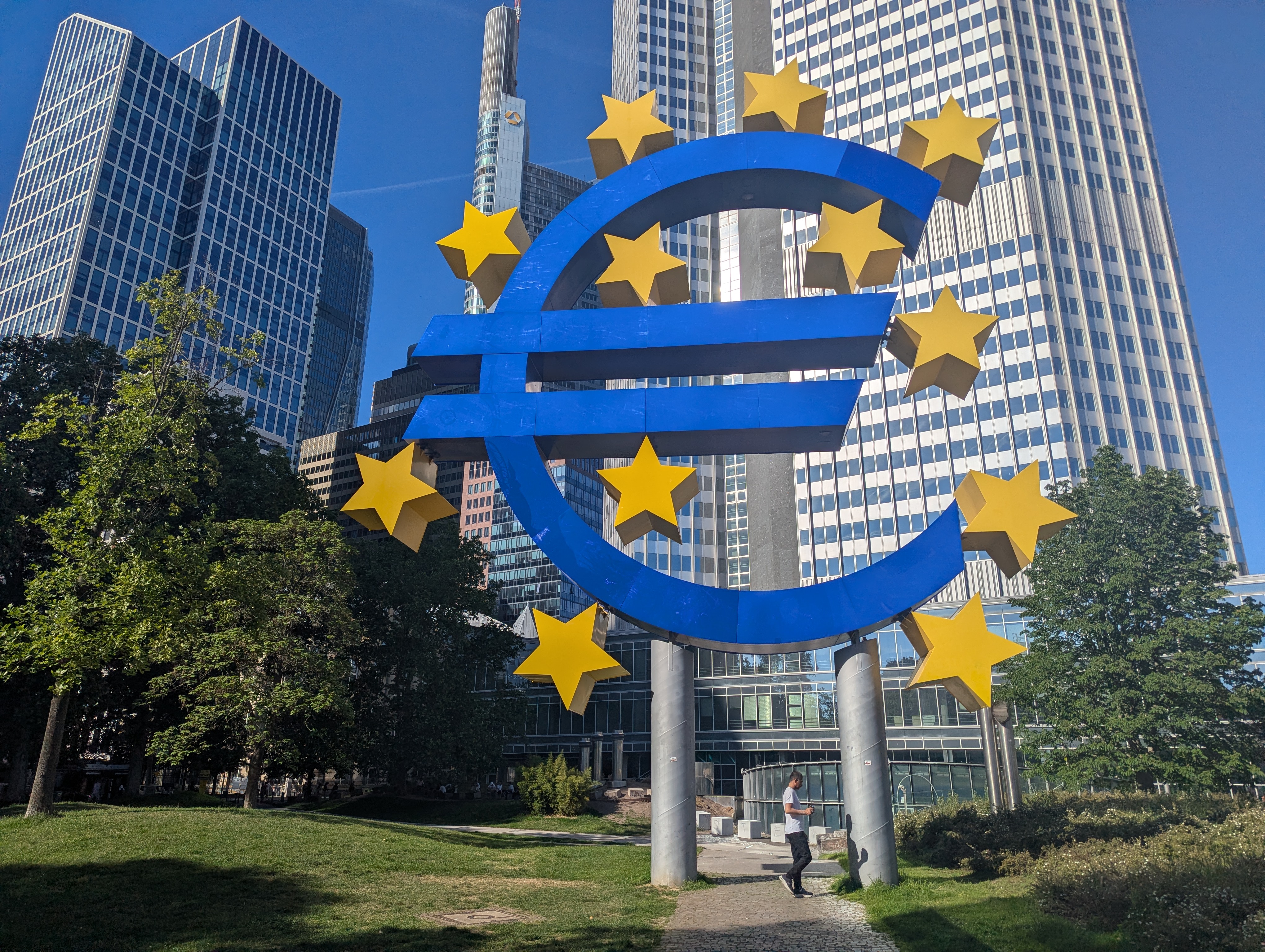
A letter arrives with the European Central Bank’s logo on it, inviting you to put money into the digital euro and promising high returns with no risk. The bank that manages the euro has one answer: this is a scam.
What the letters actually say
The European Central Bank, or ECB, manages the euro for the countries that use it. It has published a warning about fake letters carrying its name and logo. The letters tell people they can join a “digital euro pilot scheme” and earn money from it.
Nothing of the kind exists. “The ECB does not offer investment products related to the digital euro and does not ask members of the public to invest money in digital euro projects,” the bank writes on its fraud page. It asks people not to reply, not to send money, and not to share personal or financial details.
The letter is one costume for an old trick. The same warning covers fake emails, fake websites, fake social media profiles of ECB board members, and AI-generated videos that appear to show central bank staff recommending an investment. Some calls even display a number beginning +49 69 1344 — the real Frankfurt prefix the ECB uses.
What the digital euro really is
The digital euro would be electronic cash: money issued by the central bank, kept in an account at your bank or a public intermediary, and used to pay in shops, on websites, or to send money to a friend. It would sit next to notes and coins rather than replace them.
That is the point of it — a way to pay, not a thing to own. Like the cash in your wallet it would pay no interest, so nobody earns a return by holding it.
It also does not exist yet. The law that would create it is still being negotiated between the European Parliament and the member states. The ECB says it wants to be ready for a possible first issue in 2029 if that law passes in 2026, and plans a twelve-month test run from the second half of 2027.
Why it matters to you
This scam works because the digital euro is real, official and still vague. Many people in the euro area have heard the phrase and few can explain it, which leaves a stranger free to define it for you.
The sums involved are not small. Investment fraud is one of the costliest crimes in Europe: on 3 November a coordinated operation led by German prosecutors seized more than 100 servers and arrested seven people behind fake trading platforms that took over 4 million euros from victims in at least 50 countries.
Fake offers are also written to feel urgent. Once you have sent money to an account a stranger gave you, getting it back takes a police report, months of waiting, and luck.
What you can do
- Treat any message about investing in the digital euro as fake. There is nothing to invest in, so no honest offer can exist.
- Check the sender. Real ECB email comes only from addresses ending in @ecb.europa.eu or @ecb.int.
- Never call the number printed on the letter. Find your bank’s number on your card or in its app and call that one.
- Refuse to be rushed. A closing window is pressure, not a fact you can check.
- If you have already paid, ring your bank the same day and ask it to recall the transfer, then report it to the police. Speed is what gets money back.
- Report fake ECB letters and websites through the contact form on the ECB’s own fraud page.
Common misunderstandings
Myth: the digital euro is a cryptocurrency you can buy early
No. A cryptocurrency comes from a private project and has no central bank behind it. The digital euro would be issued by the ECB and worth exactly one euro, always — no early price, no coin to hold, no profit to make.
Myth: a letter with the ECB logo must come from the ECB
A logo can be copied by anyone with a printer. The ECB states that it never asks the public for investments, money or personal information, and that it does not invite people to join pilot schemes. A letter proves nothing; what counts is where a link leads, and whether the number you call is one you looked up yourself.
Myth: cash is going away, so I should move my money now
The ECB presents the digital euro as an addition to banknotes and coins, and an extra way to pay. No law has been passed, no date has been set, and nothing is asked of you today.
What to watch for next
Expect the same story with new props over the coming weeks: an investment “portal” with a countdown, a friendly person on the phone who confirms your registration, and a first small withdrawal that arrives on time. That small payout is bait. It exists to make the large deposit that follows feel safe.
The real test, when it begins in the second half of 2027, will involve 36 licensed payment providers, selected shops, and staff of the ECB and national central banks. It has no public sign-up and no fee.
The one thing to remember
The digital euro would be money for spending, not a product for buying. If someone offers you a return on it, they are not selling you a share of Europe’s new currency. They are selling you a story, and the price is your savings.
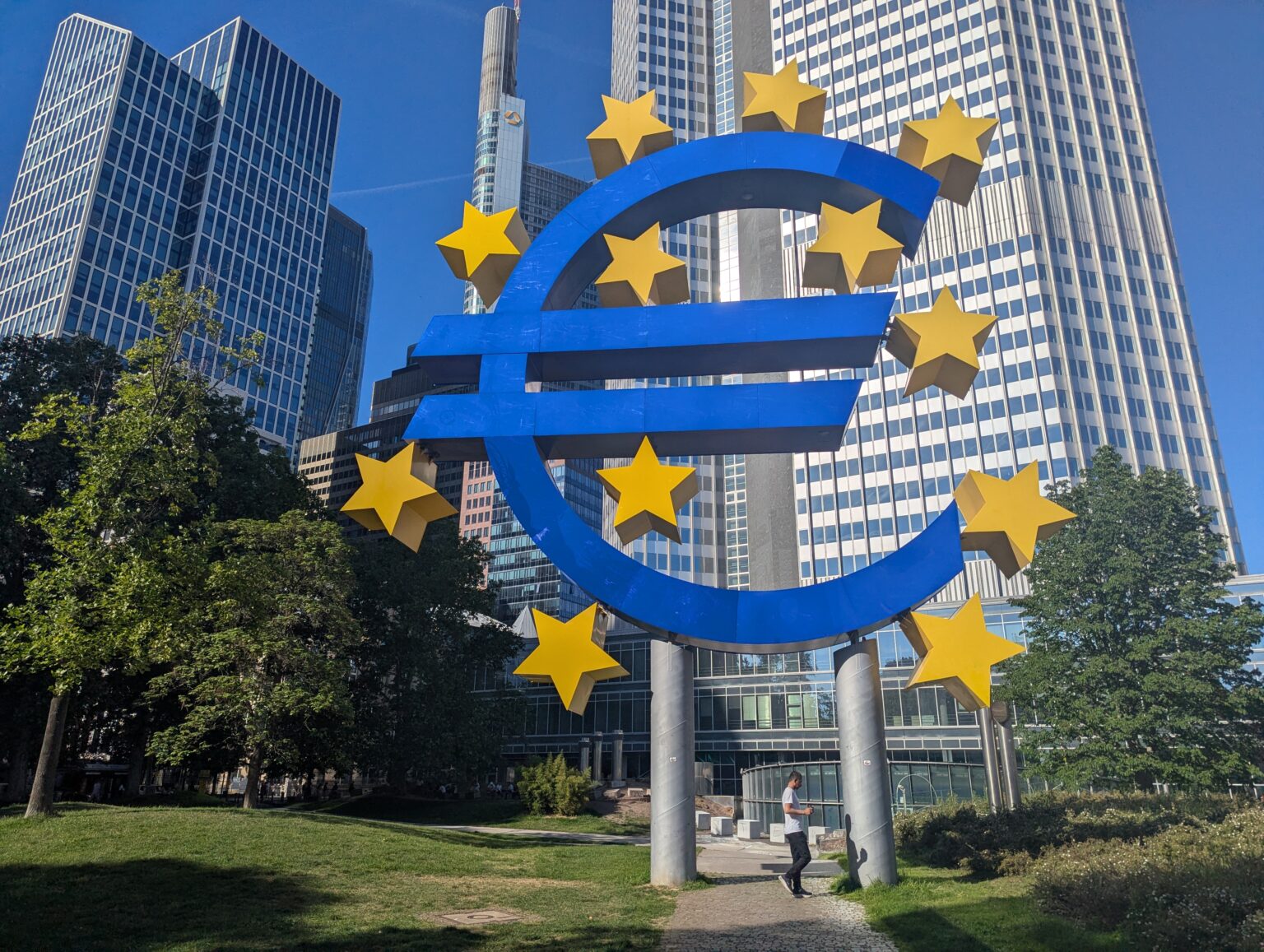
Image credits: “Euro-Skulptur (Eurotower Frankfurt)” by Sdkb, licensed CC BY-SA 4.0, via Wikimedia Commons.