
Amazon started selling a 75-dollar wristband this week that listens to your day and writes it down. The interesting part is not the microphone. It is the question nobody in the room was asked.
What actually happened
On Thursday, Amazon announced two devices from Bee, the company it bought last year. Bee Frontier costs 74.99 dollars and sits on your wrist or clips to your clothes. Bee Eclipse costs 99.99 dollars, is credit-card sized, and sticks magnetically to the back of your phone.
Both turn conversations into notes: a summary, a list of things to do, reminders. A summary is a short written version of what was said, not a word-for-word record, so it is quick to read and easy to get wrong.
The new part is what the notes connect to. Pay 11.99 dollars a month and the wristband talks to Amazon.com: say you need dish soap, and Amazon can suggest dish soap on your homepage. The company that sells you the shop now keeps the shopping list.
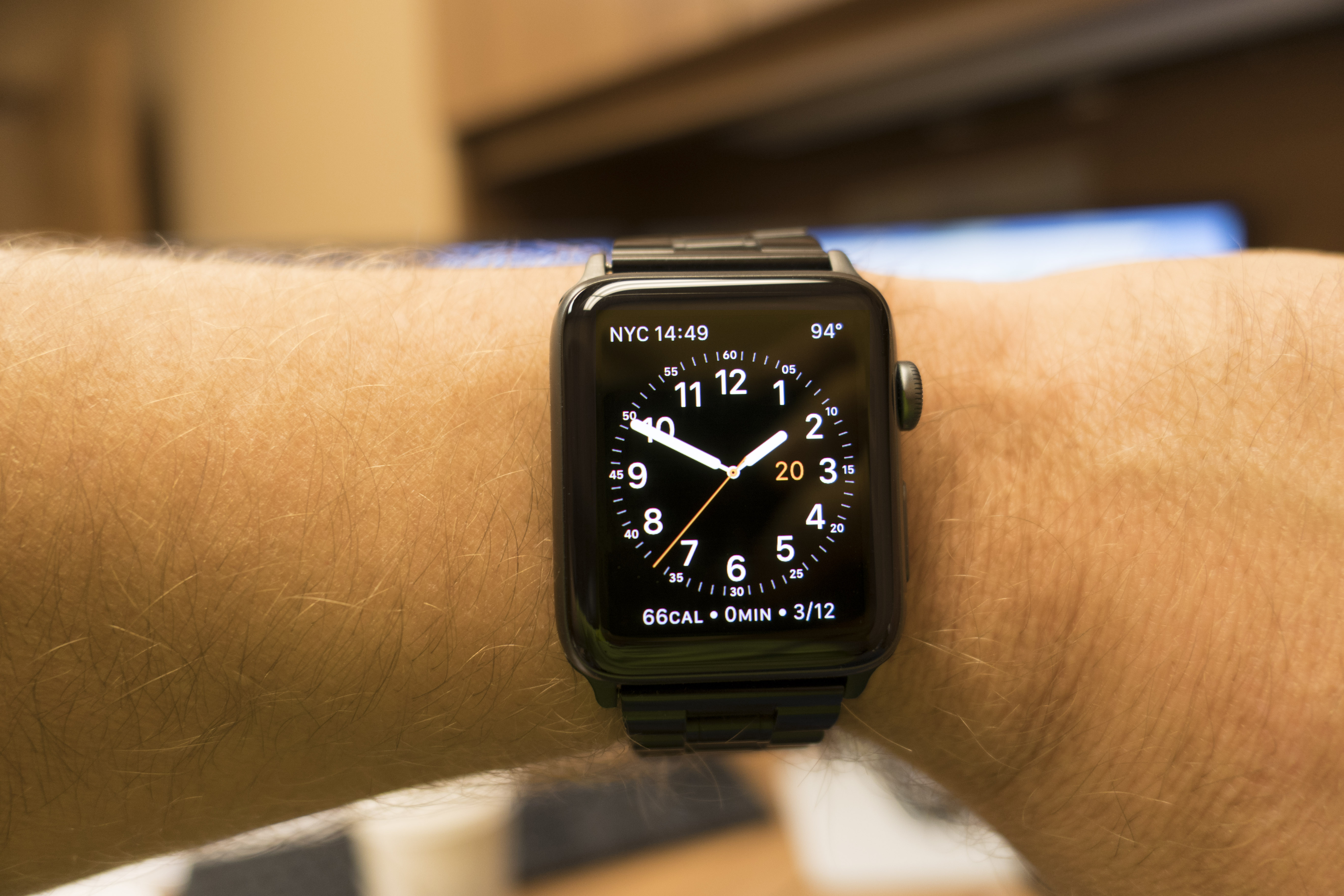
Amazon is not alone. The Apple Watch Series 12 and Ultra 4 have a feature called Siri Recap, which listens to conversations through the day and produces a title, a summary and key points in the Siri app. Those arrive later this year. Both companies describe the audio as deleted and the notes as yours alone.
Why it matters to you
Your side of this is the easier one. A device that remembers your day is useful if you forget names and what you promised to bring on Saturday. The cost is that a written account of your private life now sits in an app on a server you do not control.
The harder side belongs to everyone else at the table. Your friend, your colleague, your child. Their words end up in your notes, and they cannot read the summary or delete themselves from it. Karen Panetta, an engineering professor at Tufts University, put it plainly: your permission is not everyone else’s.
The law has not caught up. Lawyers quoted by CNBC this weekend say the person carrying the risk may be the wearer, not the company. About a dozen US states require everyone in a private conversation to agree before it is recorded. Massachusetts counts equipment that can receive a conversation and treats its meaning as part of its contents; New Hampshire covers the “aural or other acquisition” of what was said. A summary may well count.
None of that means police will knock. The practical risk is low. The social cost is not, and one man in a Pittsburgh bar found that out this week when a stranger looked at his glasses and said he did not feel comfortable.
What you can actually do
- Check the watch you already wear. On your iPhone, open the Watch app, go to Siri, then Siri Recap. You can switch it off, or limit it to working hours so it never listens at night.
- Shorten the timer on a Bee. In the Bee app you can set the device to switch itself off after five minutes without hearing your voice. Five, not sixty.
- Say it out loud before you switch it on. “I am turning this on, is that all right?” The prompt on your own phone is not consent from the person sitting across from you.
- Take it off, do not pause it. A doctor’s appointment, a talk about someone’s health, a meeting about a colleague, a friend’s kitchen. Taking off a watch is a visible act. Pressing a button is not.
- If someone near you is wearing one, ask. Ask what it is, ask whether it is on, ask to see the notes afterwards. Asking is not rude. It is the only check that exists.
- Agree one house rule. The kitchen table and the bedrooms are microphone-free, for guests as much as for you. Say it once, out loud, so nobody has to guess.
Common misunderstandings
Myth: if the audio is deleted, nothing is kept
The summary is the record. Apple deletes unsaved recaps after seven days; save one and it stays, and can be exported to Notes. Amazon keeps transcripts and summaries in the app, searchable.
Myth: the little light on the device counts as asking
Jeff Williams, a former senior security engineer at Amazon Web Services, pointed out this week that the permission prompt appears only on the wearer’s phone and nothing enforces it. He called it “a liability allocation”. A light on a wrist disappears under a sleeve, and on a video call the wrist is out of frame. Hamburg’s data protection authority said something similar in September about Meta’s camera glasses: a light that is hard to see outdoors is not informed consent.
Myth: this is about gadgets other people buy
Your own watch may already summarise your day, if the feature was switched on during setup and forgotten. And the device that catches your conversation is usually not yours. The person with no setting to change is the one being written about.
What to watch for next
Bee Eclipse goes on sale soon in four colours. Amazon says the app will nudge owners to ask the people around them first. Watch whether that becomes a real step that blocks the recording.
Apple’s Siri Recap and Live Rewind arrive with a coming update. Live Rewind shows the last fifteen seconds of a conversation as text and plays a chime even on silent. Siri Recap makes no sound at all.
The one thing to remember
A device that writes down a conversation is not private because it throws the sound away. The permission that counts is the one the other people in the room never gave.
Image credit: “Black Apple Watch on my wrist” by Jonathan Cutrer, licensed CC BY 2.0, via Wikimedia Commons.