
Every three minutes, a small light comes on at the top of the laptop and a photo of your face is taken — about 160 pictures in a working day. One company in the United States told a longtime employee that she had to accept exactly that. She said no, and lost her job.
What actually happened
Glennis Von Sander-Timinski worked from her home in New Jersey for Sutherland Healthcare Solutions, a company that handles administration for hospitals. She had worked remotely since 2018, with good reviews.
In August 2026 the company told her it would start using a program called Sentinel AI. It switched on her work laptop’s camera about every three minutes, took a still photo of her face, and used facial recognition — software that compares a picture against a known face — to confirm that the person at the desk was her.
She objected. She has lupus, a condition in which the body’s own immune system attacks healthy tissue, and stress makes it flare up. Her doctor wrote to the company asking for the photos to be taken less often, or not at all, because the monitoring was making her anxiety worse and setting off the lupus.
According to the lawsuit, she was then offered three choices: accept the monitoring, drive to the office every day, or leave. The office was three hours away in each direction. She was dismissed on 8 September 2026, after more than ten years with the company.
She is now suing. The case, filed in a New Jersey court on 23 September 2026, argues that her employer did not take her health condition seriously, as the state’s anti-discrimination law requires. The company has not commented and no court has decided anything yet.
Why this matters even if you never work from home
Your laptop has a camera and a microphone. Anything that can photograph you can also see the room behind you — your kitchen, your hallway, a child walking past on the way to bed.
Employers have measured their staff for years: keystrokes, break times, the websites you visit. The camera is what is new — it turns the device you use to do your job into a device that watches you do it.
It shows up in the numbers too. In a survey by the American Psychological Association, 56 in 100 employees who are monitored with technology said they feel tense or stressed at work, against 40 in 100 who are not monitored.
What you can actually do
- Ask for it in writing. Request the name of the software, what it collects, why, who can see it and how long it is kept.
- Tell your works council. In Germany, software that can track how staff behave or perform must be agreed with the works council (Betriebsrat) before it is switched on. If yours was never asked, that alone can stop it.
- Put your objection in writing and keep a copy. A spoken no is easy to ignore; a dated email is not.
- Ask the company’s data protection officer. Larger employers in Germany must have one. If that leads nowhere, the state data protection authority (Landesdatenschutzbeauftragte) takes complaints, and it is free.
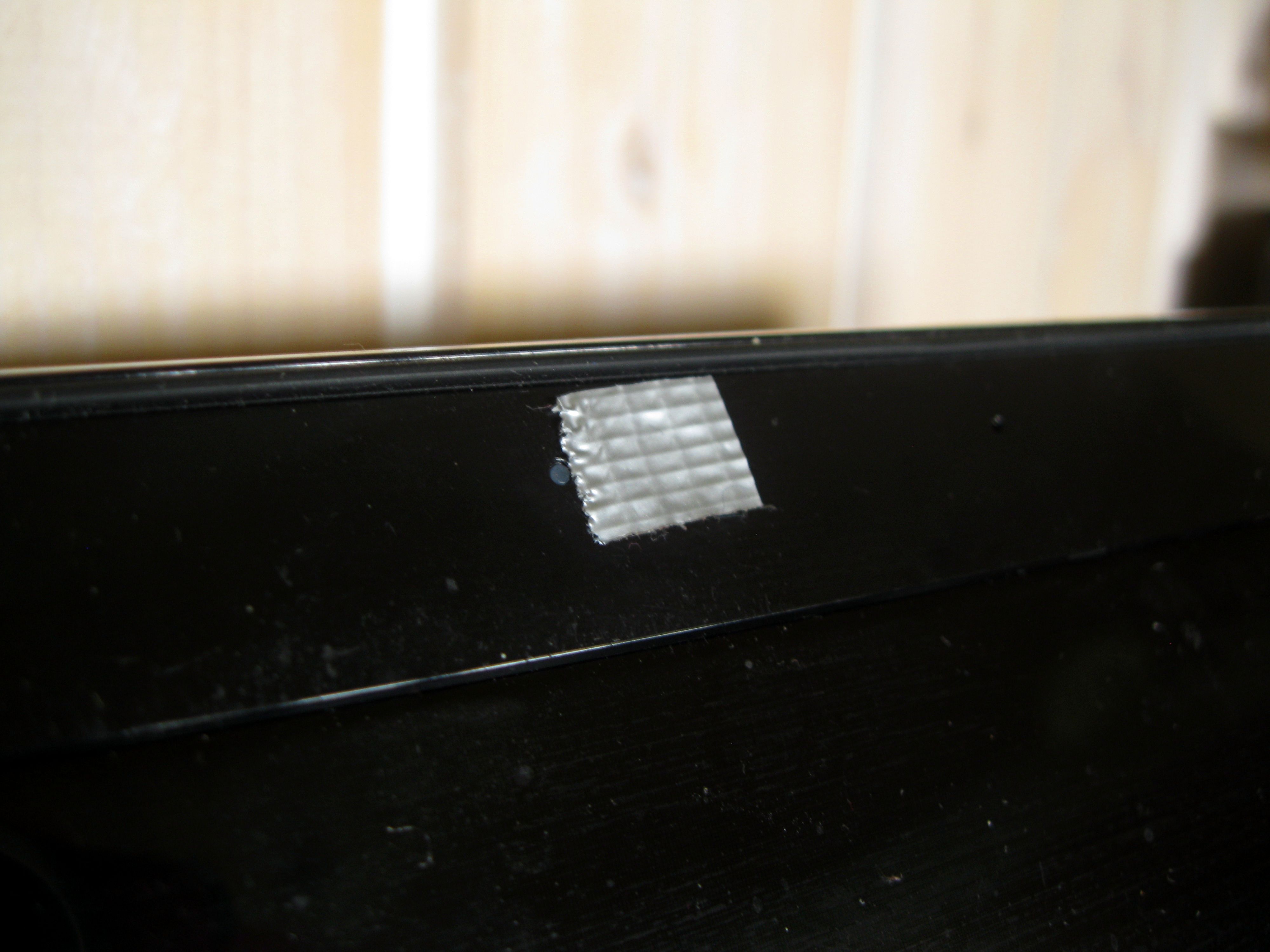
- Cover the camera when you are not on a call. A sliding cover or a strip of tape costs nothing and blocks the lens.
- Watch the little light beside the camera. If it comes on and you did not start a call, ask what is running.
- Talk to a colleague. One complaint can be brushed aside as a personal problem; several turn it into a workplace matter.
Common misunderstandings
Myth: the camera only sees my face
Everything behind you is in the picture too — the washing on the radiator, your child’s homework, the front door. And one photo every three minutes, all day long, adds up to a detailed record of your day at home, including the moments you were not at your desk.
Myth: I agreed once, so I cannot take it back
In Europe, this kind of permission must be given freely, and it can be withdrawn at any time. A vague clause in a contract that waves through “video surveillance” is usually too loose to count for much. A German labour court said so in May 2025, in a case about cameras that ran around the clock: the boilerplate consent was invalid, and the court confirmed €15,000 in compensation for the worker. Put it in writing: I withdraw my consent.
Myth: they own the laptop, so they can watch anything
Owning the machine is not the same as owning the right to watch the person using it. German law asks for a real reason and a sense of proportion, and monitoring that exists only to check whether you are working generally fails that test. Germany’s highest labour court ruled in 2017 that keylogging software may not be used without a specific suspicion. Your home is protected too: a permanent webcam inside it is not something an employer can simply demand.
What to watch for next
New Jersey is weighing a bill that would require AI monitoring tools to be checked by an independent auditor, keep a human being in charge of the results, and limit monitoring inside a worker’s own home. It is not law yet.
Some places have moved faster: Maine already requires employers to give notice before they monitor, and lets workers refuse to install surveillance software on their own devices.
The direction is clear enough. These tools are getting cheaper and more employers are buying them. Ask your questions before you click agree.
The one thing to remember
A camera at your desk does not measure your work. It measures whether you are sitting in front of it. Ask why it is there — and take that question to your works council or your data protection authority.
Image: “Tape over laptop webcam” by Santeri Viinamäki, CC BY-SA 4.0, via Wikimedia Commons.