
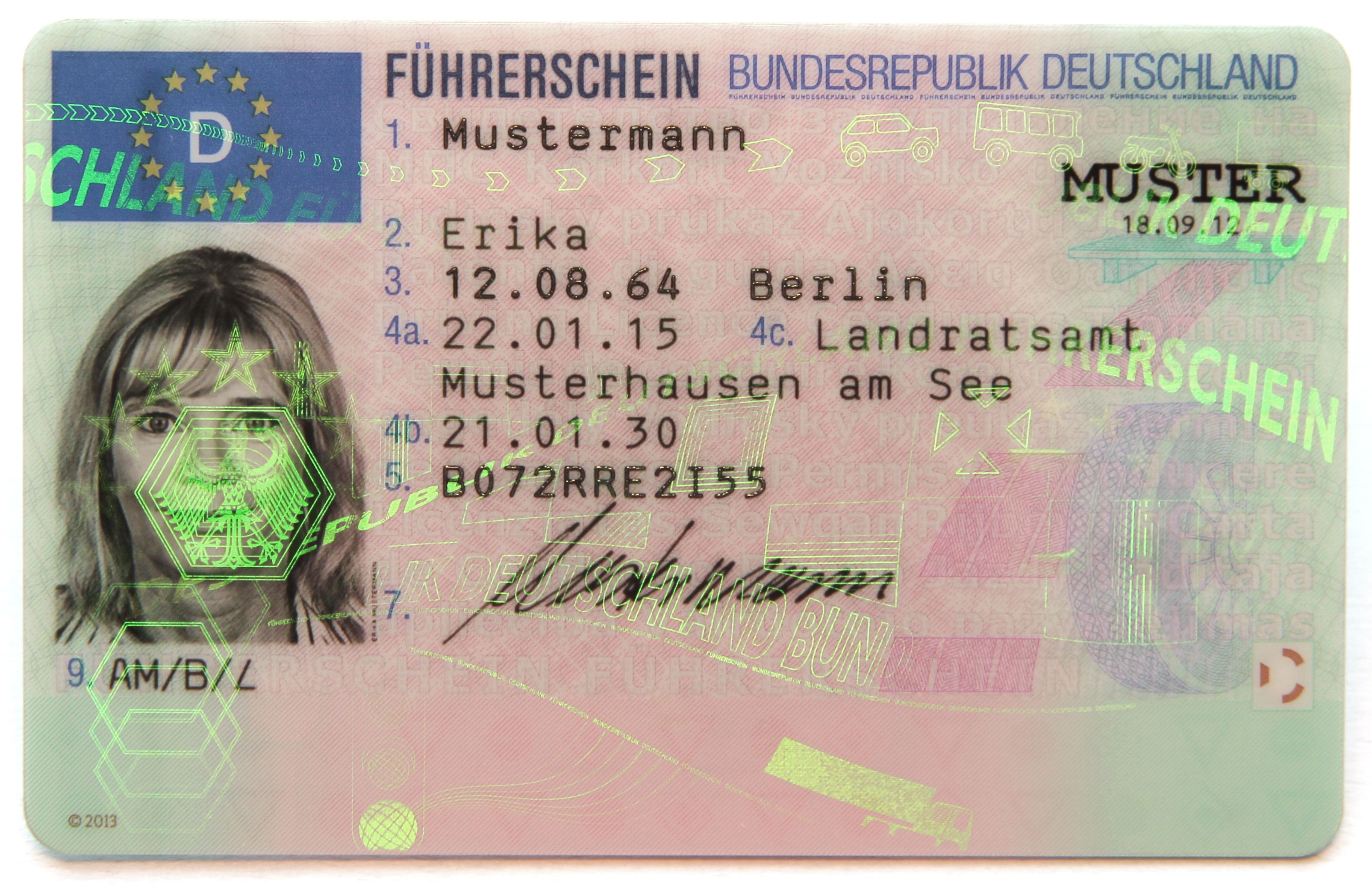
Uber has written to 149,346 drivers to say that photographs of their driving licences were taken. No password was involved, and that is the part that matters.
What Actually Happened
A company that does technical work for Uber had its own login stolen. On 7 October, someone used that login to open the storage space where Uber kept the material that company worked with.
Inside that space sat photographs of driving licences, and the text read out of them: name, home address, date of birth, and licence number.
The supplier told Uber on 9 October. Uber cut the connection the same day, and by 13 October had worked out what had been reached. Letters to drivers went out on 10 November.
One detail from Uber’s filing is worth sitting with. The alarms on that storage were switched on, and none of them went off, because the visitors were holding a real login. Nothing about those sessions looked wrong to the system watching them.
Why a Photo of Your ID Is Different
A card number can be cancelled and a new card sent. A password can be changed in a minute. A photograph of your driving licence cannot be reissued, because it shows your face, your signature and the shape of a document a bank clerk or a car rental desk is trained to look at and trust.
Think of a password as a key you can replace by changing the lock. A photograph of your ID is a copy of the door.
That is why fraud crews pay for genuine scans rather than clever forgeries. A forgery fails a careful look. A real document, printed by a government and photographed by its owner, does not.
You Have Probably Sent One Yourself
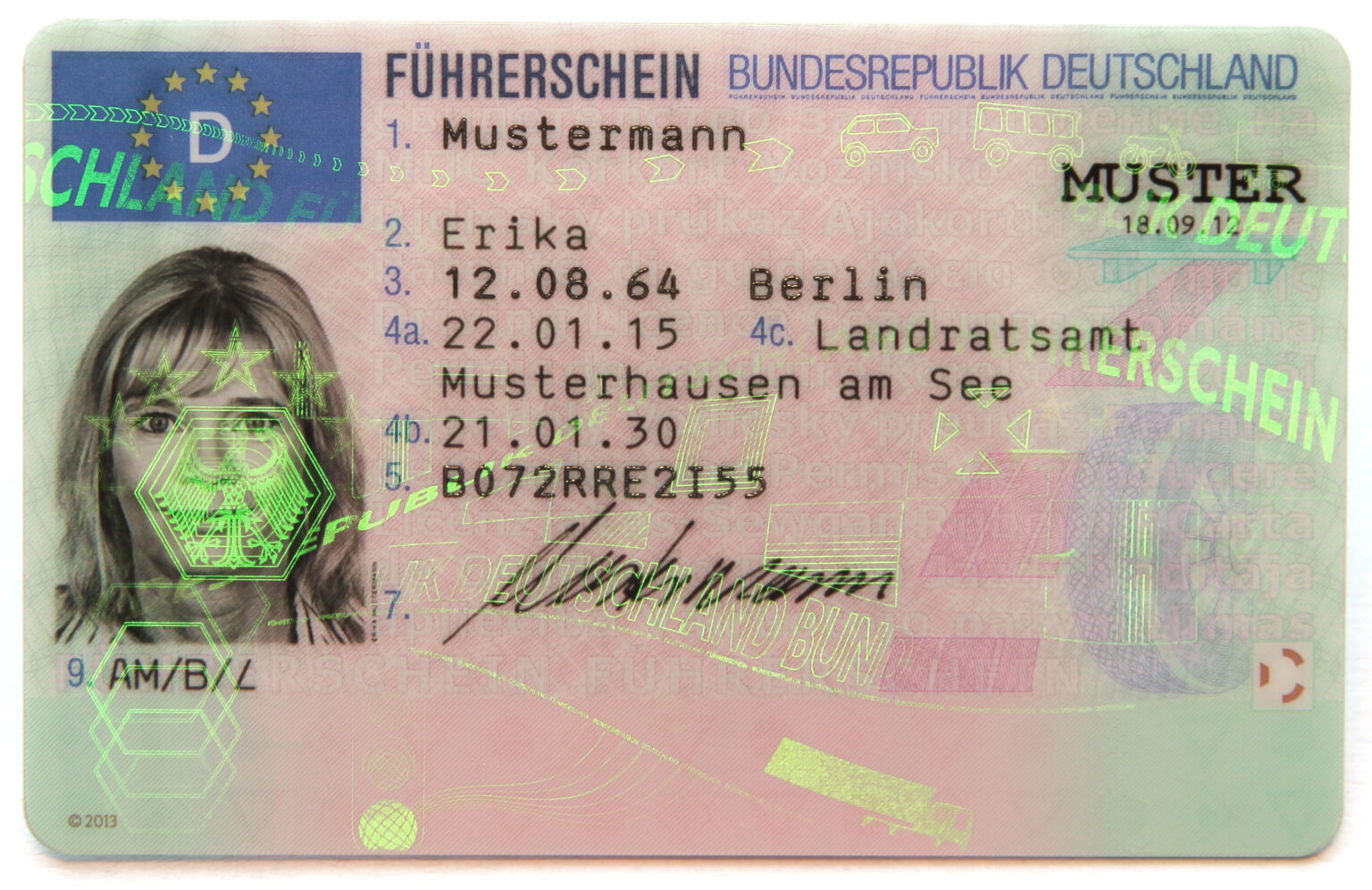
Most people have photographed their ID for something: a landlord before a viewing, a marketplace seller who wanted proof, a car-sharing app, a hotel at check-in, a support chat that asked you to verify your account.
Each of those pictures sits on a computer belonging to someone else, and often gets passed on to a company you have never heard of. That is the arrangement that failed here. Uber did not obviously do this carelessly: the data sat in storage built only for that supplier, with alarms on, and the stolen login reached nothing else at Uber. One stolen login at the other end was enough.
The second loss is quieter. A message that already knows your name, your address and your date of birth is far more convincing than one that does not, and that is exactly what a theft like this supplies.
What You Can Actually Do
- Do not send a photo of your ID to a person in a chat. If a seller, a landlord or a support account asks for one in a message, ask for an upload page inside the company’s own app instead. A real company has one.
- Ask which details are actually needed. Many services need only your name and date of birth, or a copy with the licence number covered. If everything is demanded, ask why in writing, and keep the reply.
- Treat any message about this breach as a scam until proven otherwise. Uber’s real notice is a posted letter with an activation code. It never asks you to send details back.
- Check your own file once a year. In Germany, Schufa sends you a free copy of the data it holds about you. Look for companies and enquiries you do not recognise.
- Read your bank statements for small, regular amounts. A stolen identity often starts with a direct debit or a subscription in your name rather than a large transfer.
- If something has already happened, do three things: report it to the police, tell the company in writing, and keep copies of everything you send.
- Ignore anyone offering to delete your data from a leak. The consumer advice centres in Germany state plainly that nobody can do this, and that they never call you unasked.
Three Things People Get Wrong
Myth: a photo of my ID is useless without my password
A password gets someone into an account. A photo of an ID gets someone through a counter. They open different doors, and the counter is often the more valuable one.
Myth: a big company would keep my photo safe
Uber’s storage was separate, monitored and alarmed. The weak point was a login at a supplier, and no amount of care inside Uber could have made that login stronger.
Myth: I would hear about it quickly
The break-in was on 7 October and the letters went out on 10 November. More than a month is ordinary for this kind of case. Notices arrive by post, so a message about a breach that reaches you before the letter is a scam.
What to Watch For Next
Expect messages that use this story. A text saying your licence was part of a breach and offering to check is the standard follow-up, and so is a call from someone who already knows your date of birth. Both work precisely because the details are real.
Watch your post more than your inbox. An unrecognised bill, a collection letter, or a loan confirmation you never applied for are the signs that arrive on paper rather than on a screen.
The One Thing to Remember
Your face and your date of birth never reset. Treat a photograph of your ID like the key to your front door: send it only where there is a real company, a real reason, and a page you opened yourself.
Image credits: European driving licence specimen, Bundesrepublik Deutschland / Bundesministerium des Innern, public domain, via Wikimedia Commons.